Surge in global steel expected to drive anthtracite consumption
For as long as the world needs steel to construct buildings and other vital infrastructure, anthracite will play a significant role in key industries. Experts foretell a surge in global steel demand, with consumption expected to exceed 2 billion tonnes a year by 2050.
In 2024, the world consumed 1,742 million tonnes of steel, more than half of which was used in buildings and infrastructure, while 16% ended up in the mechanical equipment sector, followed by 12% in the automotive industry, according to the World Steel Association. Almost all other industries used some amount of steel, including manufacturing domestic appliances found in almost every home.
Although it is rare, accounting for just 1% of the world’s coal reserves, anthracite remains a strategic resource due to its extensive use in steel and alloy production worldwide. Its significance does not stem from its large reserves or high production levels compared to other types of coal. Instead, it is valued for its high carbon content and low volatile matter, making it ideal for sustainable steel manufacturing. Anthracite also has a higher energy density than all other types of coal, making it cost-effective and more environmentally friendly.
China, the world’s largest steel producer, has taken the industrial significance of anthracite seriously. It is the world’s biggest producer of anthracite, surpassing the US, a country with the largest global reserves. China primarily uses anthracite for steelmaking and in the power generation industry. Anthracite has played a crucial role in helping China build and sustain its steelmaking capabilities.
It has been evident for some time that the world is experiencing major shifts, with security of supply for key resources among the leading priorities for nations. With these changes taking place, resources like anthracite will become increasingly important for countries looking to strengthen their industrial and economic muscle.
Events in recent history, like the COVID-19 pandemic and the Russia-Ukraine war, disrupted global energy systems and supply chains, forcing countries to reexamine how they handle energy and minerals. US President Donald Trump’s return to the White House seems to have also heightened global anxieties about the ability to secure and protect the supply of strategic resources.
Soon after returning to office, Trump announced a series of executive orders concerning several subjects, including critical minerals and reviving the US’s coal industry. The common thread in all his statements has been an emphasis on protecting US interests and curtailing overreliance on outsiders for critical resources. Such events are shaping global sentiments around energy and minerals as countries scramble to secure resources and strike deals that will ensure supply for years to come.
Section 9 of Trump’s executive order on coal refers to the idea of “steel dominance”, highlighting a need to increase production of metallurgical coal and anthracite to support domestic steel output. In an article by the US Department of Energy titled “The Intrinsic Role of Coal in Achieving Steel Dominance,” anthracite is mentioned as an essential ingredient to the future success of the US’s steel industry. The US produced 80 million tonnes of crude steel in the previous year, compared to China’s 1,005 million tonnes and India’s 149 million tonnes. Through policy decisions to support coal production, which includes anthracite, the US hopes to revive its steelmaking capacity and trigger an industrial renaissance.
Anthracite is also likely to thrive in emerging economies in Asia and Africa, as more countries begin to see an explosion of urban settlements, leading to the need for more steel infrastructure. FutureCoal estimates that an additional 2.5 billion people will reside in cities by 2050, which will impact the amount of steel needed for construction. India, for instance, has seen a steady growth in anthracite demand, driven by the steelmaking sector and the government’s initiatives to promote clean energy, which includes using anthracite for electricity generation. An acceleration of urbanisation in India is also another factor that has played a role in the increase in anthracite demand. Due to its attributes, anthracite corresponds with global green energy priorities and the world’s appetite for industrial growth, making it a strategic resource.
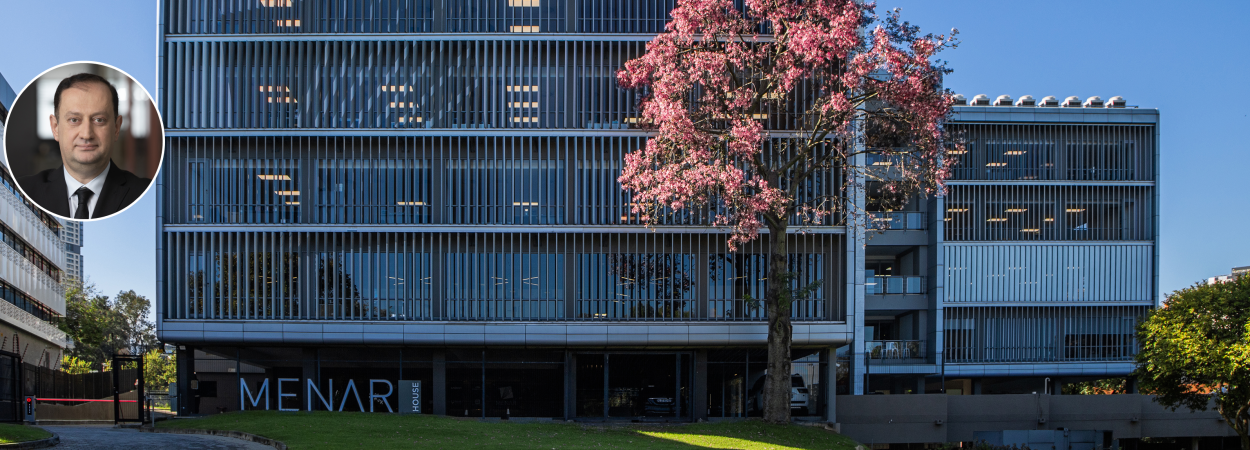
Bayoglu is MD of Menar, a private investment company with interests in coal mining and ferromanganese production. It is one of the private companies that have gained provisional access to the rail network.
This opinion piece was published in the 2025 Global Carbon Congress magazine.
Categories: Opinion Pieces
 Vuslat Bayoglu