
A free press is necessary for thriving economies
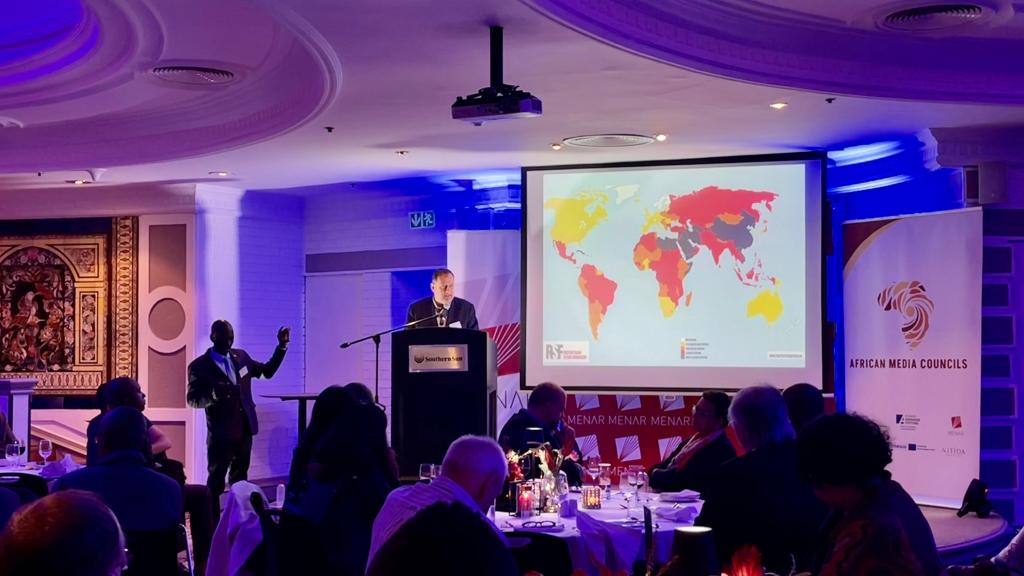
I took the room through a memorable interview in the history of South African television while addressing the African Media Councils Conference welcome dinner in Cape Town. A former cabinet minister once candidly responded to a journalist by saying: “All of us have our small skeletons and we don’t want those skeletons to come out, otherwise all hell will break loose.”
This interview, went viral, becoming a source of satire and sparking interesting conversations about holding those in public office accountable. In popular culture skeletons symbolise scandals, things that creep in the shadow of darkness and everything that falls outside of a healthy society. This is precisely why we need free press. To make sure that hidden issues that trouble society can be brought to light. For how can we address the pressing issues of our time like poverty, inequality, and injustice if they remain concealed?
Press freedom is not merely a privilege; it is a right-enshrined in our constitution. It empowers journalists to uphold accountability and to amplify the voices of those whose stories would otherwise remain untold. But press freedom is not just for journalists, it is for every citizen. It is the lifeblood of our democracy.
I believe what is often overlooked is the relationship between press freedom and economic development. A free press is not only an asset to democracy but also a catalyst for economic growth. It sets the stage for great business ideas and innovations to thrive. In turn, developed economies can provide the stability necessary for a free press to flourish.
A study based on data from 97 countries by the Global Investigative Journalism Network found that nations that experienced a decline in press freedom, also saw a GDP decline of between 1% and 2%. By promoting transparency, the media has the potential to create an environment conducive to investment and entrepreneurship.
In 2021, the Economic Systems journal published the first study to examine the impact of press on corruption in business. The study found that countries with more press freedom were more likely to reduce unethical business practices like bribery of public officials, while maintaining the integrity of government. This further highlights the media’s important role in promoting accountability.
Reporters Without Borders warns of a decline in press freedom, especially as the world embarks on the biggest election year in human history. Journalists in almost half of the countries on the African continent are said to be operating in a difficult situation. We must refuse to exist in a world of silence and censorship.
But for the media to continue to play its role of being society’s watchdog, it must remain credible. For it to be credible, the press must continuously improve systems of checks and balances.
The media ombuds systems are therefore critical to ensure recourse for those who might have unfairly met the sharp sword of journalists and to make sure audiences trust what they read, listen to, or watch on news platforms. Journalists must display the same level of accountability they seek to inspire in others. There must be no skeletons in the newsrooms.
Categories: Public Speeches
 Vuslat Bayoglu
You must be logged in to post a comment.