
South Africa’s coal industry will go into 2024 carrying a bag filled with promises from government to fix the Transnet impasse and congestion at the country’s ports.
For the most part it appears that these issues have been a dominant factor in derailing the industry, in the literal sense, from reaching its true potential. Coal exports hit record lows between 2022 and 2023, as miners struggled to move product to the ports via rail. Shipments for coal at the Transnet terminal fell from to 46.5 million tons in 2023, down from 50.4 million tons in the previous year.
Following his recent visit to the Transnet Port Terminal in, KwaZulu Natal, President Cyril Ramaphosa made a few promises including that port congestion would be dealt with along with the shortage of locomotives, incompetence, and the leadership vacuum.
Due to things unravelling at Transnet, the Richards Bay Coal Terminal has been performing far below its 91 million tonne capacity with daily rail deliveries dropping from 32 trains a day to a mere 18. Added to this Ramaphosa emphasised that the private sector will play a pivotal role in coming up with a solution. If these promises are kept, then the industry stands to be in a much better footing to achieve growth and stability.
The ability to resolve these impediments will be a major deciding factor on how the sector performs going forward. The impact of the rail crisis pales in comparison to other factors like geopolitical shifts, global green energy trends and price volatility. We cannot even begin to speak about global market behaviour if we are struggling to move cargo across our shores.
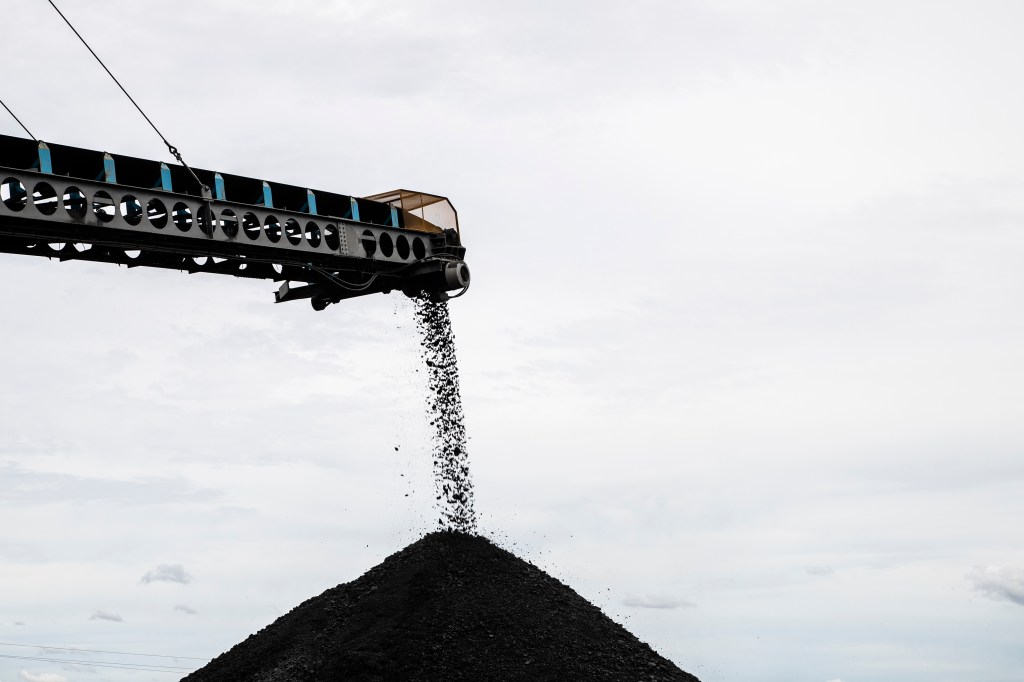
In the background of South Africa’s rail woes, global markets continue to assume a different shape with strong growth in Asia and dwindling demand in the US and Europe. In 2020 the International Energy Agency (IEA) forecasted that coal’s future would rely heavily on the behaviour of countries like China, India, Indonesia, and Pakistan. Fast forward to 2023 and market trends seem to support this projection with China, India and the ASEAN region expected to account for 76% of the world’s coal consumption in 2024.
The challenges with discarding fossil fuels like coal became apparent during the July G20 Energy Transition Ministerial Meeting in India, where Ministers from some of the world’s biggest economies failed to agree on the big phaseout. Later in the year G20 could only agree on tripling renewables by 2030, but showed no collective commitment to cut down on unabated fossil fuels. This division of opinion is very telling. Beyond the statics, there actually lies a genuine desire from emerging nations in Africa and Asia to achieve mega industrial growth. They too want to secure economic growth like what their Western counterparts achieved over centuries through burning coal.
It nearly impossible to speak about coal without mentioning green energy. This is because of a misguided narrative that positions coal as a menace to society and renewables as the hero that will save the day, pitting one against the other. Unfortunately, this line of thinking has influenced policy in many parts of the world, leading to planned closures of coal mines and coal fired power stations. This school of thought denies the possibilities of maintaining a balanced energy mix that involves both fossil fuels and renewables. It is an all or nothing approach, which is risky given the intermittent nature of renewables and overall shortage of infrastructure to ensure that energy is delivered. Coal plays an important role as baseload. For decarbonisation to work, we need baseload which can only come from coal, gas or nuclear.
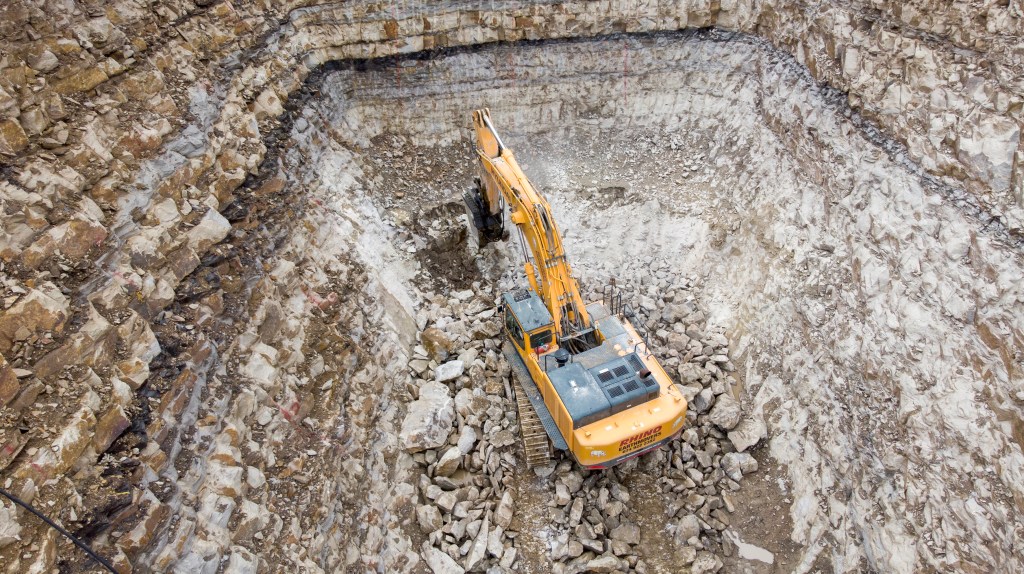
In the last quarter of 2022 and going into 2023, coal prices had begun to slow down from hike caused by the Russia-Ukraine war. Detractors became excited, linking falling coal prices to its final demise. Nothing could have been further from the truth. Prices remained higher than pre-Covid times representing a form of predictable stability in the market. After surviving three turbulent years starting with Covid-19 pandemic in 2020, prospects still look favourable for coal beyond 2023.
As a player in the coal industry, South Africa’s export prospects were hurt by rail constraints which have cost the country more than R350 billion in exports revenues for 2023. If the situation is not resolved as promised the country should expect to continue losing out on opportunities. The longer the Transnet situation lingers, the more coal exports in South Africa are prevented from leaving the country’s shores at a favourable rate for producers and the country’s economy. Asia is a top destination for SA coal, importing more than 80% of its product, according to data from RBCT. The country is likely to suffer further opportunity losses should rail and port issues persist even though coal’s performance globally is likely to remain strong.
This article was published in Modern Mining: https://user-54716422671.cld.bz/Modern-Mining-January-2024/20/
Categories: Opinion Pieces
 Vuslat Bayoglu
You must be logged in to post a comment.